
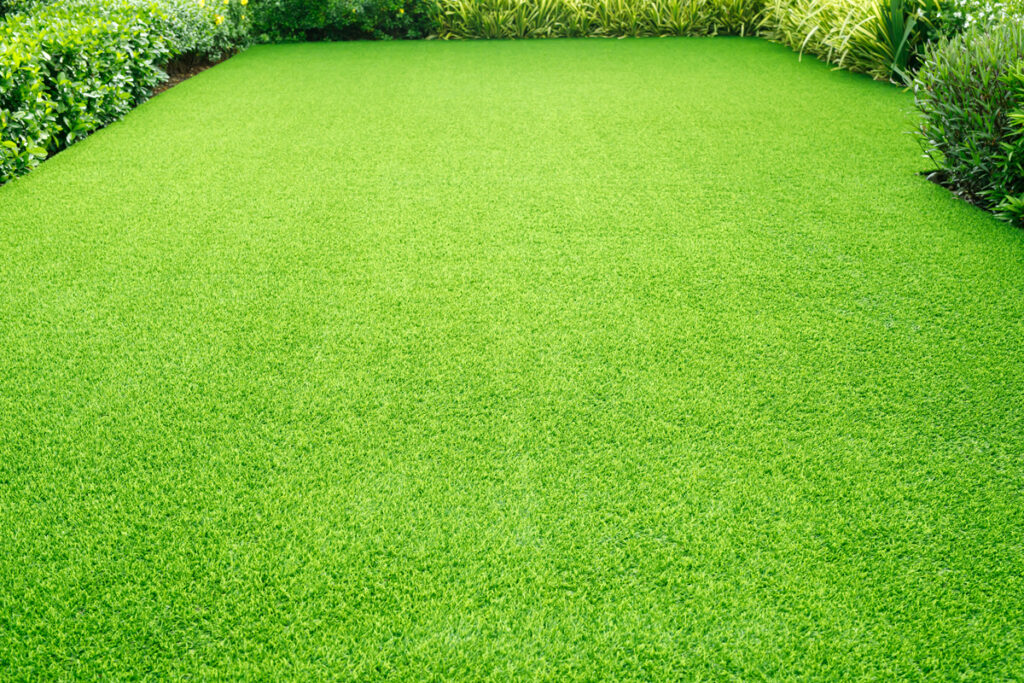
Artificial grass installation is usually priced by the square foot. In most cases, homeowners can expect costs to fall in the range of $10 to $15 per square foot, depending on the space, the turf product, and how much prep work is needed underneath.
That range can still vary from project to project, which is why two quotes may look different even when the spaces seem similar at first. A flat, open lawn is not the same as a narrow side yard, a pet area, a pool surround, or a backyard putting green. With artificial turf, a big part of the cost and long-term performance comes from what has to happen below the surface before the turf ever goes down.
What Affects Artificial Turf Prices in Connecticut?
There are a few local factors that can affect artificial grass pricing in both Connecticut and New York. Freeze-thaw cycles, wet spring weather, shady lawns, and older properties with uneven slopes can all mean more prep work before the turf goes in.
The property’s design might also contribute to the increase in the installation costs for synthetic grass in the area. Many Connecticut homes have narrow side access, mature trees, stone walls, and tighter spaces around patios and pools. In those situations, excavation, grading, and installation can take more time and labor than they would in a wide-open yard.
This is the main reason why quoting artificial grass based on national standards provides only a general overview. In the specific case, the state of the property is at least as important as the size of the area where artificial grass is installed.
7 Factors That Are Typically Important to Consider
If you are trying to understand the factors that typically matter most for getting your quote, here are some important aspects to consider.
1) The Size of the Area
The size of the space is usually one of the biggest factors in the total cost. In general, a larger lawn will cost more than a smaller area because it takes more turf, more base material, and more labor to install.
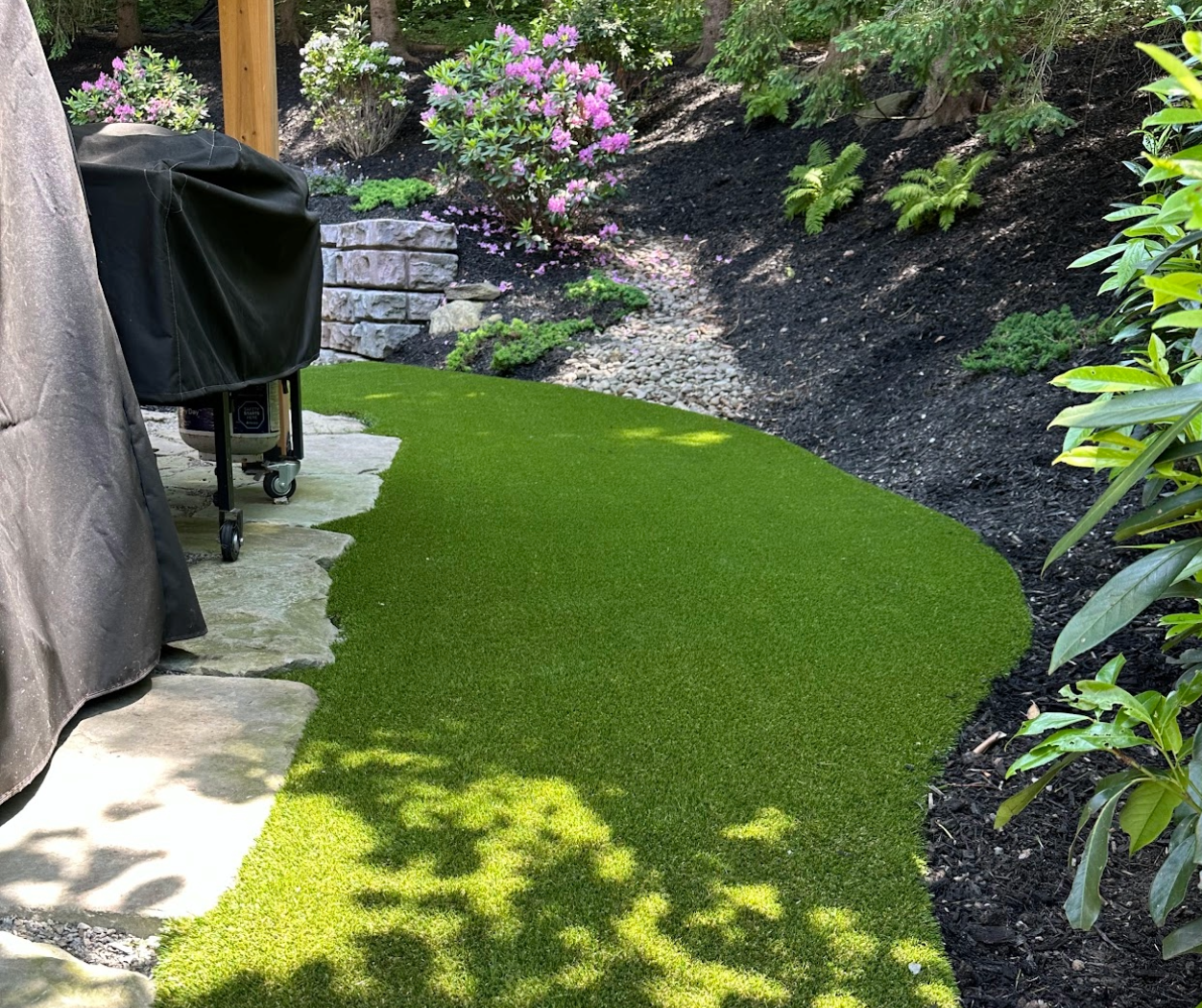
But size is not the only thing that matters. Some smaller spaces are actually more complicated to work with, especially if the layout has a lot of curves, corners, or narrow sections. Turf has to be laid so it all runs the same direction, which means unusual shapes can lead to more cutting, more fitting, and ultimately more materials.
That is why two projects with similar square footage can still come in at different price points. A simple open area is usually more efficient to install, while a smaller space with a more detailed layout can take more time, more precision, and sometimes more turf to get it right.
2) Preparation Required for the Area
Some yards are fairly straightforward. Others need a lot of work before the turf can even be installed.
If the space has existing grass, roots, old material, compacted soil, or uneven ground, that all has to be addressed first. Excavation, removal, disposal, grading, and building a stable base all affect the final cost. In many projects, this is one of the biggest parts of the job.
3) Existing Drainage Issues
Drainage is a major part of artificial grass installation. If the area already has standing water, muddy spots, runoff issues, or poor grading, those problems usually need to be fixed before the turf goes in.
This can increase the cost, but it is also part of what makes the installation work well in the long run. A surface is only as good as the foundation underneath it.
4) The Artificial Grass Product
Not all artificial grass products are the same, and they are not all priced the same either. A landscape turf is different from a pet turf, a playground surface, a sports turf, or a putting green.
Each one is made for a different purpose, and that affects both the material and the price. Some products are designed more for appearance, while others are built around durability, drainage, safety, or performance. The right choice depends on how you want the space to look, feel, and function day to day.
5) Shape and Edge Design
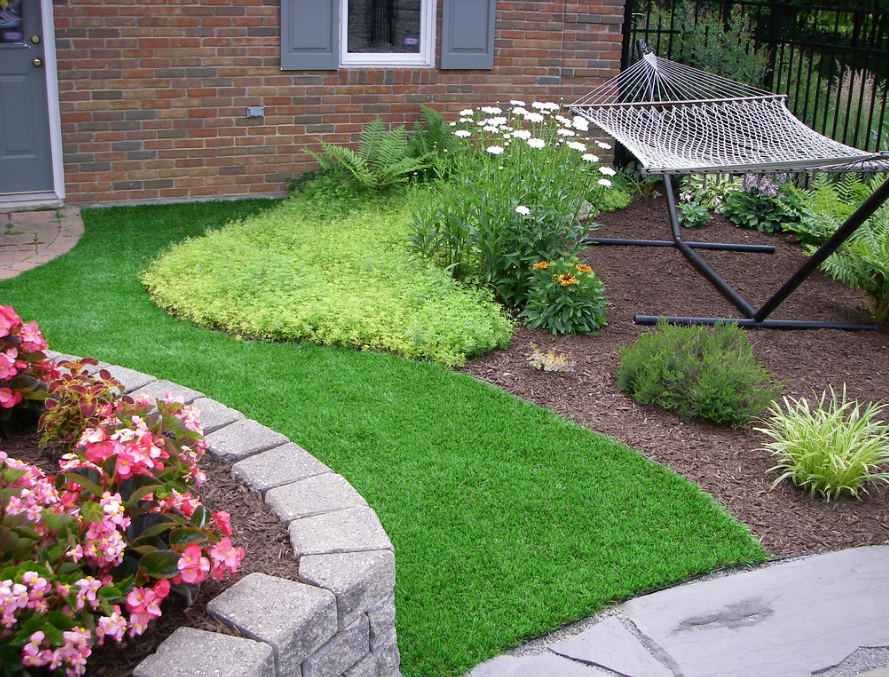
A simple rectangular area is usually easier to install than a yard with curves, steps, borders, planter boxes, pavers, or multiple seams.
The more detailed work the layout requires, the more time and labor the installation usually takes. Custom shapes can look great and make the yard feel more finished, but they do tend to make the project more involved. Clean edges, careful fitting, and seamless transitions all take extra attention.
6) Access to Your Yard
This is one of those things many homeowners do not think about right away, but it can absolutely affect cost.
If the crew has easy access to the installation area, the job tends to move more efficiently. If materials have to be carried through a narrow side yard, around a fence, up a slope, or into a tight backyard, labor usually increases. Access does not always change the quote dramatically, but it can make a difference.
7) Unique Additions
In some cases, the job may go beyond simply having an open piece of turf. A putting green may require cups, fringe, and shaping. A dog area may require a unique design. A pool deck may require more intricate edging and a tighter fit around the hardscape.
These custom features may make your yard more functional and appealing, but they do take more time to install.
Why the Cheapest Quote Is Not Always the Best Value
It is easy to compare quotes and focus on the lowest number, but artificial grass is one of those projects where the cheapest option is not always the best value.
If the base is too shallow, the drainage is not handled correctly, or the turf is installed without enough care, those problems may not be obvious on day one. They usually show up later in the form of uneven areas, drainage issues, seam problems, or a surface that just does not hold up the way it should.
That is why it helps to look beyond the number alone. You want to understand what is included, how the area will be prepared, and what kind of product and installation method are being used.
What Goes Into a Quote for Artificial Grass
Turf quotes aren’t limited only to the price of the actual grass. Professional installation typically comes with site preparation, excavation, base material, compaction, grading, drainage, turf product, cutting, seaming, and labor costs.
This is one of the reasons why synthetic turf tends to be more expensive at first compared to traditional lawn installation. However, it’s an entirely different story when you have problems such as muddy yards, poor drainage, heavy dog traffic, or difficult slopes. In such cases, installing new turf isn’t always the goal.
Artificial Grass vs. Real Grass Costs: What Are You Really Paying For?
When people search for artificial grass installation costs, they are usually not just asking what turf costs upfront. They are also trying to figure out whether it is worth it compared to real grass over time.
Natural grass usually costs less to install upfront, but it keeps costing money long after the first day. Mowing, watering, fertilizer, weed control, seasonal cleanups, reseeding, aeration, and repairs for muddy or worn-out areas all need to be factored into the total costs of real grass lawns. If you hire that work out, those recurring costs add up even faster. Even if you plan to DIY that maintenance, you’ll still be paying in time, water usage, equipment, and materials.
Artificial grass usually costs more upfront, but the ongoing maintenance is much lower. You are not mowing every week, paying to water the lawn through dry stretches, or constantly trying to fix patchy areas that never seem to recover. You never have to worry about keeping your grass green. Basic care still matters, but it is much lighter compared to maintaining a traditional lawn.
That is where the real cost comparison starts to shift. If you are only looking at installation, natural grass will usually look cheaper. If you are looking at the full picture over the next several years, artificial grass can make more financial sense, especially in areas that struggle with mud, pets, shade, drainage problems, or heavy foot traffic.
How to Get a More Accurate Artificial Grass Installation Quote
If you want a useful quote, the best thing to do is look at the actual space instead of relying too heavily on online averages.
A good consultation should consider how you want to use the area, what kind of traffic it gets, whether pets or kids will use it, whether the site has drainage or grading problems, and how much detail work is involved around the edges. All of those things help determine what the space really needs.
That is also why on-site consultations are so helpful. Measuring the area is important, but understanding the yard is just as important.
The Real Value Behind Turf Installation
Cost matters, but the real value of the project is not just in the number on the quote. It is in what the finished installation actually does for your yard.
If the project gives you a lawn that stays cleaner after rain, holds up better in high-use areas, cuts down on maintenance, and looks good throughout the year, that changes the conversation. A well-built turf installation should not just sit there and look green. It should make the space easier to use and easier to live with.
Ready to Price Out an Artificial Grass Project?
Artificial grass installation costs can vary quite a bit depending on the space, the product, and how much prep work is needed underneath. A side-yard dog run, a pool surround, and a full backyard lawn are all different projects, and they should be priced that way. ForeverLawn CTNY offers on-site consultations to evaluate the space, recommend the right turf, and provide a quote based on what your yard actually needs. Contact us today to get started.