
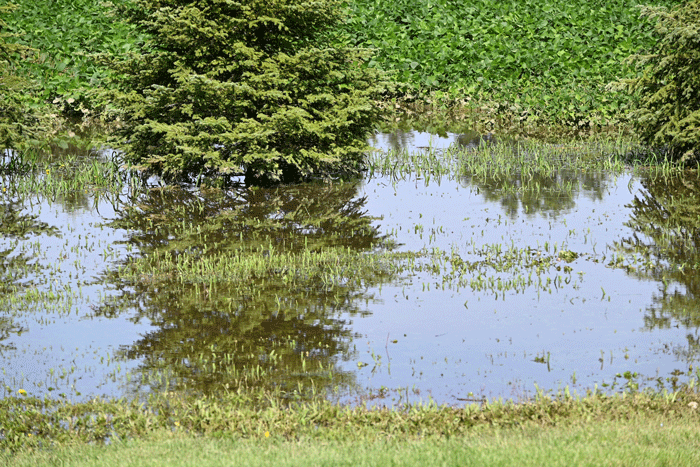
Is part of your yard always soggy or muddy after it rains? The problem usually isn’t the grass itself. More often, something underneath the surface isn’t draining the way it should. Water pools in yards for all kinds of reasons: low spots, poor grading, compacted soil, heavy runoff from the roof, or simply an area that can’t move water out fast enough.
It’s a pretty common issue on Connecticut and New York properties. We often see water pooling in narrow side yards, around patios and pool areas, near walkways, and in those shaded corners that rarely get sun throughout the day. Some homeowners notice standing water right away. Others just know that one spot always looks worn down, gets muddy fast, or never stays clean after a good rain.
The good news is that pooling water can almost always be improved once you know what’s causing it. Sometimes the fix is pretty straightforward, but sometimes it takes a more thorough approach of either re-grading, correcting the drainage path, or just finding a better surface solution overall.
Reasons Why Water Pools in Your Yard
Water pools when it does not have a clear path to move through or away from the yard. Sometimes that is because one part of the property sits lower than the rest. In other cases, the slope directs runoff into the wrong area rather than away from the house. Compacted soil can also be a problem, especially in places where people walk often or where the ground has already been stressed by water over time. Roof runoff is another common cause, particularly when downspouts empty into one section of the yard again and again.
This is why pooling usually does not fix itself. If the same area keeps collecting water, there is usually a reason for it. Until that reason is addressed, the problem tends to come back every time there is heavy rain.
Signs It’s More Than Just a Wet Lawn
Drainage problems do not always show up in obvious ways at first. Often, what you’ll see is grass that stays wet, muddy tracks leading up to your patio entry, or the side yard getting beat up by each and every rainstorm. Puddles, mulch being washed away, or pet areas staying wet and odorous for too long can all be clues pointing in the right direction.
If that resonates with you, it needs to be solved before you spend any money on landscaping upgrades. A proper surface solution requires that drainage problems be fixed first.
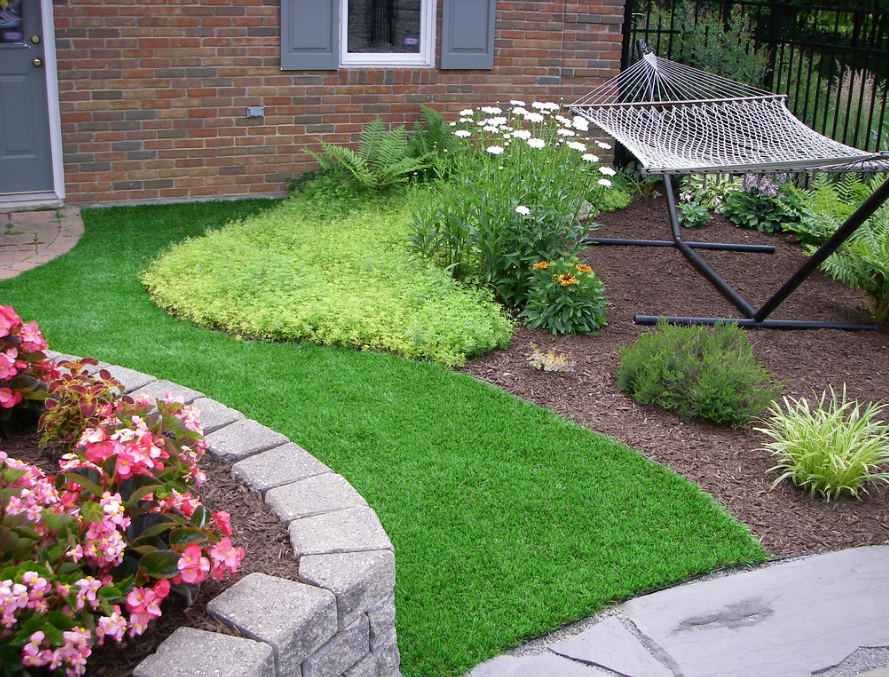
Begin with the Origin of the Water Problem
Before deciding how to fix pooling water, it’s important to consider where the problem originates.
Is the roof runoff dumping water into one part of the yard? Does the water flow down from an elevation and accumulate in the lowest spot? Is there water accumulating in a compacted area that receives a lot of traffic? Does the water accumulate around pavers, pool decking, or some other type of hardscape area with rapid drainage?
The best fix will often be clearer, quicker, and affordable after determining what is causing water to pool in your yard.
7 Ways to Fix Water Pooling in Your Yard
1. Grade the Land Correctly
If the yard is sloped the wrong way or has a noticeable low area, water will continue to settle there. Regrading helps move water away from the home and out of the parts of the yard that stay wet after rain.
This is often one of the most important first steps, especially if you are planning to improve the area anyway. Whether the final surface will be natural grass, pavers, or artificial grass, the land underneath needs to be shaped properly first. If the grade is wrong, the surface above it usually will not perform the way you want it to.
2. Redirect Water Coming From Gutters
Sometimes the problem is not the lawn at all. It is simply too much water being dumped into one section of the yard from the roof.
When downspouts empty too close to the house or into a side yard with limited drainage, that part of the property can get overwhelmed very quickly. Extending the downspouts or redirecting runoff to a better location can make a major difference. In some cases, this alone can noticeably reduce pooling.
3. Drainage Starts Below the Surface
One of the most common mistakes homeowners make is focusing only on the visible surface. The lawn may be patchy, the yard may be muddy, or the area may just look worn out, so the first instinct is often to replace what is on top.
But drainage performance usually comes down to what is underneath. If the base layer is holding water, staying compacted, or was never built to drain correctly, the surface above it will continue to struggle.
We begin by removing the existing material and building a compacted, drainable base that is graded for runoff and long-term stability. That part of the process is what gives the finished surface a chance to perform well, especially in problem areas.
4. Utilize Artificial Grass Where It Gets Muddy
Not every wet place needs to be kept as natural grass. In Connecticut, certain patches get too much wear from shade, foot traffic, pets, or water flow to remain neat and usable without any intervention.
This is where synthetic grass could come in handy. Synthetic grass is well-suited for mud-prone areas such as patios, side gardens, pet areas, and pool spots. The Stamford site states that synthetic grass drains efficiently and remains stable enough to avoid leaving muddy prints close to entryways and walkways.
This does not imply that synthetic grass is a replacement for proper drainage preparation. This implies that after the groundwork is completed effectively, synthetic grass can offer you a cleaner and more dependable finish in regions where natural grass repeatedly fails.
5. Choose the Right Artificial Turf for the Most Moist Locations
Not all grasses are suitable for the same purpose. Landscape grass, pet grass, pathway grass, and recreational grass require different qualities.
For instance, K9Grass has a fast-draining feature and is best suited for pet zones. On the other hand, Fresh has proven to work well in smaller yards where a shorter and more finished look is needed. It can be noted that each product should be appropriate for its designated usage. However, equally important is the selection of the correct foundation underneath the artificial grass system.
6. Look beyond the Open Lawn
Sometimes the best solution is not trying to force one part of the yard to stay a full natural lawn. If one corner always stays wet, it may make more sense to give that area a more defined purpose.
The muddy section of your lawn could easily serve as your dog’s designated running space. The damp area next to the pool can create a landing spot with improved cleanliness. If there is an area of shade without any grass, consider making the area a turf walkway or patio space. Giving each problem area of your property an appropriate purpose will generally lead to easier landscaping maintenance throughout the rest of your yard.
This is especially the case in the landscape designs of Connecticut property.
7. Fix the Drainage Before You Finish the Yard
This is the major one. If your lawn gets soaked after raining, then do not push aside a plan to sort out the drainage problem
No matter if you plan on seeding your lawn again, laying down sod, putting in pavers, or installing artificial turf, you must make sure proper drainage is in place beforehand. The layer that goes above will function as good as the layer below. Water that accumulates beneath the surface will cause the same issues even if the yard looks improved for some time.
This is why it is crucial to address the drainage problem first before completing the yard. The right preparation will increase its stability, make it dry quicker, and improve durability.
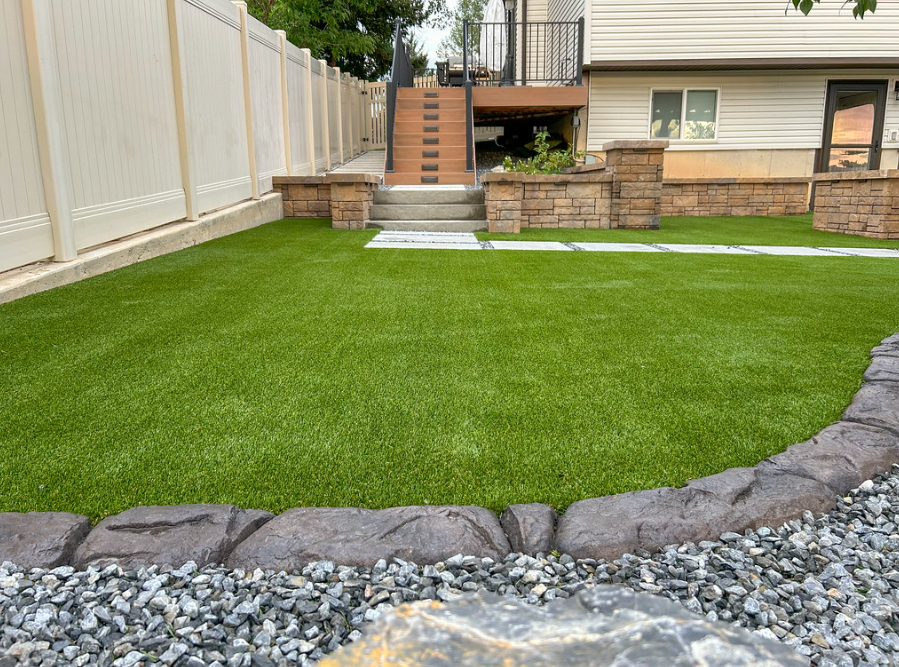
When It’s Time to Call in a Professional
Some drainage problems are simple to fix. Other situations may include a variety of drainage issues, extensive soil grading, or the consistent return of mud despite your efforts.
If wet spots occur each time it rains in the same section of your lawn, if this spot is located near a patio, pool, or access point, or if you’re planning on changing the surface material regardless, then it might be best to address the entire area together.
The Better Goal: A Yard That Drains and Stays Usable
The solution for a yard with pooling water should not only involve eliminating puddles but should also be a solution for creating a usable and clean yard.
In some cases, this may require fixing the grade of the yard or diverting water from the roof of the house. In other situations, it will involve constructing a yard that will have proper drainage, which can be achieved by installing the correct foundation for the yard, along with surfacing material that can withstand moisture.
Need Help With a Yard That Stays Wet?
Are you struggling with a portion of your backyard that constantly gets muddy whenever it rains? It could be time to consider drainage solutions alongside the surface itself. We install artificial grass over a compacted, drainable base and offer turf options for landscapes, patios, pet areas, pool zones, and other parts of the yard where natural grass has a hard time holding up. Contact us today to schedule a consultation.